

With the scheduled debut of Java 26 set for March 17, 2026, the development cycle has entered its final phase. The platform is currently at the second release candidate (RC) milestone, signaling that the feature set is locked, and efforts are now concentrated on stabilizing the code through critical bug...
GitHub Copilot in VS Code Gains Deeper C++ and CMake Awareness
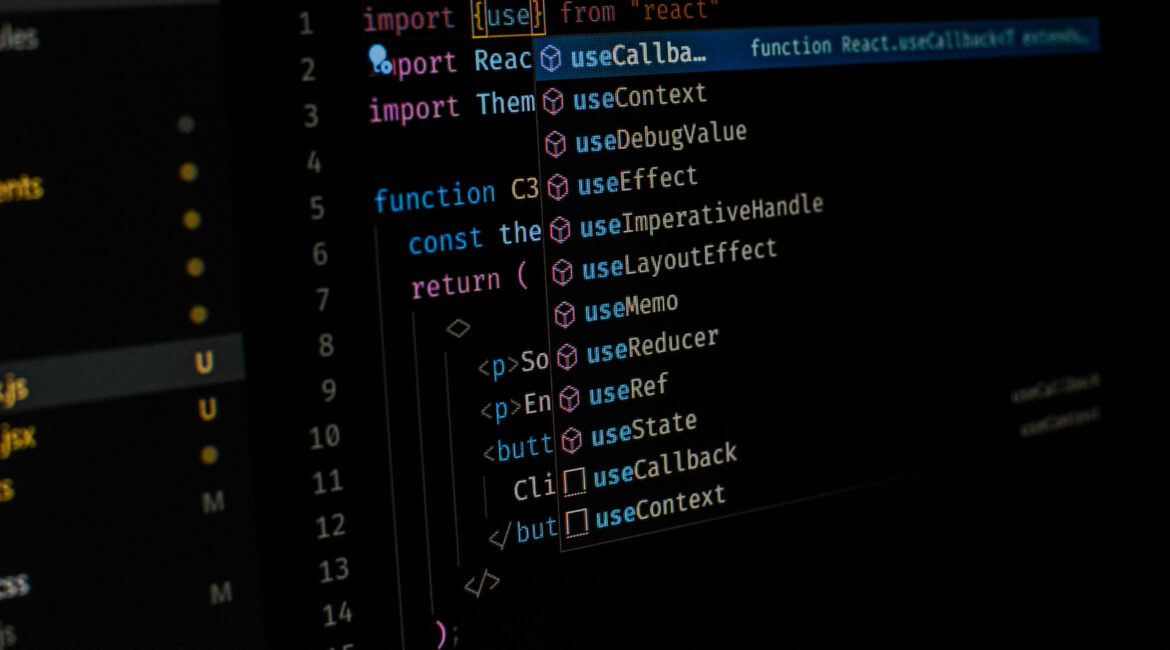
Microsoft has enhanced the C++ development experience in GitHub Copilot for Visual Studio Code, adding advanced language and build-system intelligence that brings AI-assisted coding closer to native tooling capabilities. The update enables Copilot to operate with the same symbol-level insight and CMake configuration awareness previously available only through Microsoft’s dedicated...
Gleam 1.14 Expands Type Interoperability and Performance

The Gleam programming language, known for bringing strong static typing to both the Erlang virtual machine and JavaScript environments, has received a notable update focused on better type interoperability and compiler optimizations. Version 1.14.0 introduces new capabilities that make working with external ecosystems more precise and efficient. One of the...
Microsoft Opens Preview Access to Advanced C++ Editing Capabilities for GitHub Copilot

Microsoft has introduced a public preview of new C++ development tools designed to enhance GitHub Copilot’s ability to understand and modify large C++ codebases. The preview is available through the Visual Studio 2026 Insiders program, giving developers an early look at more powerful, context-aware AI-assisted editing. The tools, which entered...
Microsoft Prepares a Native TypeScript Engine Ahead of 2026 Launch

Microsoft is moving closer to a major architectural shift for TypeScript, with a native implementation of the language expected to arrive in early 2026. The upcoming TypeScript 7.0 release replaces the long-standing JavaScript-based compiler and language service with a new implementation written in Go, aiming to deliver faster performance, lower...
What to Expect in Java 26: The Features Confirmed So Far
Java 26 is gradually taking shape, and the list of features confirmed for the release has grown to ten. The new version is planned for March 17, 2026, and, just like other non-LTS updates, it will receive six months of standard support. It follows Java 25, which was released in...
Arm Joins the Open Compute Project to Redefine AI Data Center Architecture

Chip designer Arm Holdings plc has taken a major step toward shaping the future of AI-driven data centers by joining the Open Compute Project (OCP). The move comes as global energy demands skyrocket due to the rapid expansion of artificial intelligence workloads. Arm’s goal is to help the industry develop...
OpenAI and Broadcom Partnership Marks a Shift Toward Open AI Infrastructure

A new alliance between OpenAI and Broadcom could redefine how artificial intelligence data centers are built and interconnected. The collaboration blends custom-designed accelerators with open networking technologies, pointing toward a future where dependency on Nvidia’s proprietary ecosystem is reduced. Building a foundation for custom AI hardware Under a multi-year agreement,...
Microsoft Experiments With Microfluidic Cooling to Address AI’s Heat Challenges

As artificial intelligence hardware grows more demanding, data centers are reaching the limits of what traditional cooling systems can handle. Microsoft has unveiled a new approach based on microfluidic technology that channels liquid directly into chips, aiming to overcome one of the biggest constraints in high-performance computing: heat dissipation. A...
VMware Explore 2025: Broadcom Expands Security for Agentic AI and Cloud Platforms
At VMware Explore 2025 in Las Vegas, Broadcom unveiled a series of security upgrades aimed at strengthening its VMware Cloud Foundation ecosystem. The enhancements extend across VMware vDefend, VMware Avi Load Balancer, and other components, with a clear focus on protecting agentic AI workflows and preparing enterprises for the post-quantum...